
Media 1
Media 2
Media 3
Media 4
Media 5
Media 6
Media 7
Media 8
High Voltage Soft Starter Cabinet: 6 Modes, Reliable for Industrial Motor Control
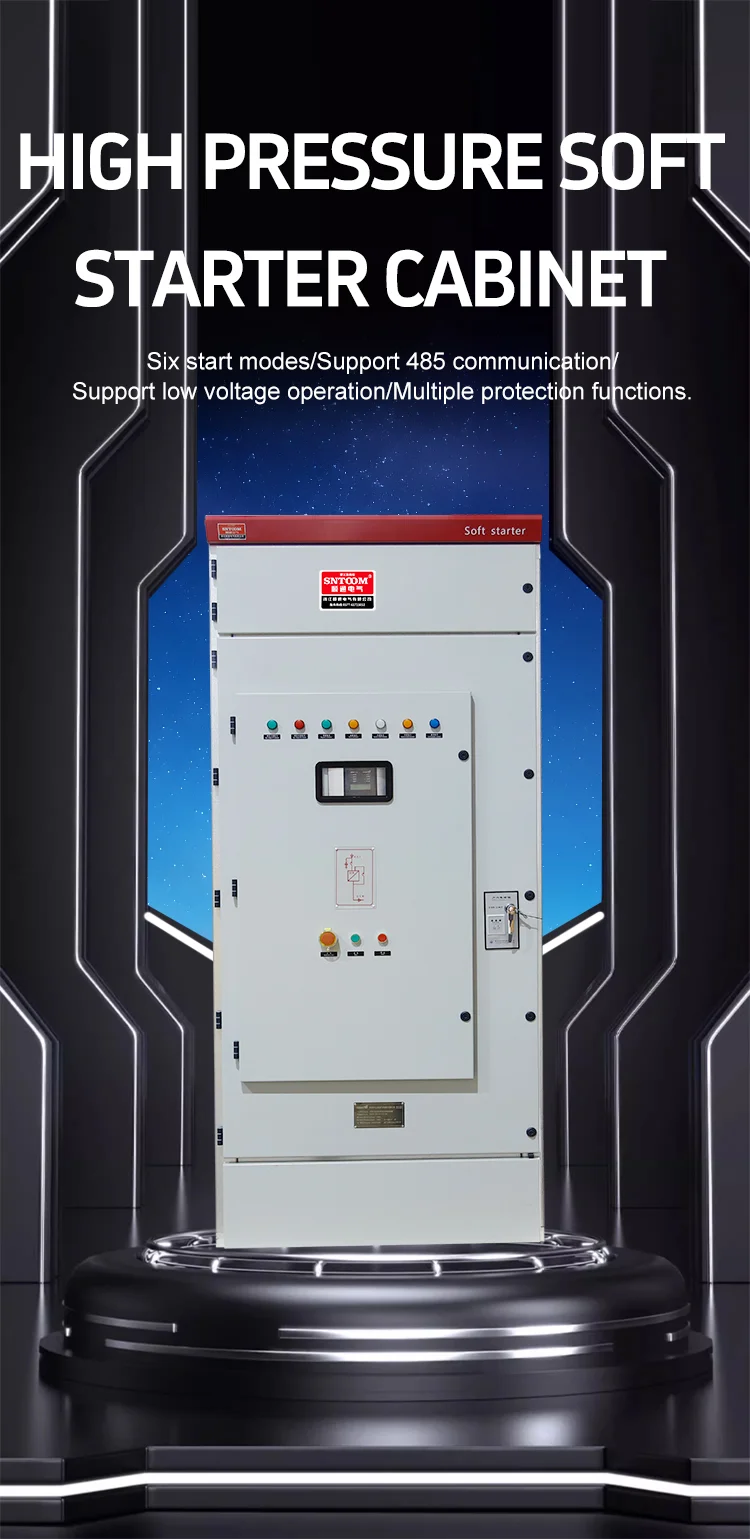
High pressure soft starter cabinet, reliable, with multiple start modes, protects motors in power, petrochemical, and environmental industries.
- Product Type: High Voltage Soft Starter Cabinet
- Series: SHMV-DN
- Start Modes: 6 Adjustable Modes
High Voltage Soft Starter Cabinet | SHMV-DN Series
Product Overview
The SHMV-DN series high voltage soft starter cabinet is a China-made industrial control solution designed for high-power motor applications. Built to meet the demands of 3kV to 13.8kV systems, this cabinet eliminates the risks of direct motor start-up, protecting equipment from current surges and mechanical stress. As a reliable alternative to traditional starting methods, it ensures smooth, controlled acceleration while reducing energy consumption and extending motor service life. It is widely used across power plants, petrochemical facilities, water treatment plants, and mining operations.
Application Environment
This high voltage soft starter cabinet is engineered to perform in diverse industrial environments, including both indoor and outdoor installations with proper enclosures. It operates stably in ambient temperatures ranging from -10°C to +40°C, with humidity levels up to 90% non-condensing. It can withstand moderate dust, vibration, and electromagnetic interference, making it suitable for harsh settings in power generation, oil and gas processing, and heavy manufacturing. It also complies with international safety standards for use in areas with low risk of explosive atmospheres.
Product Parameters
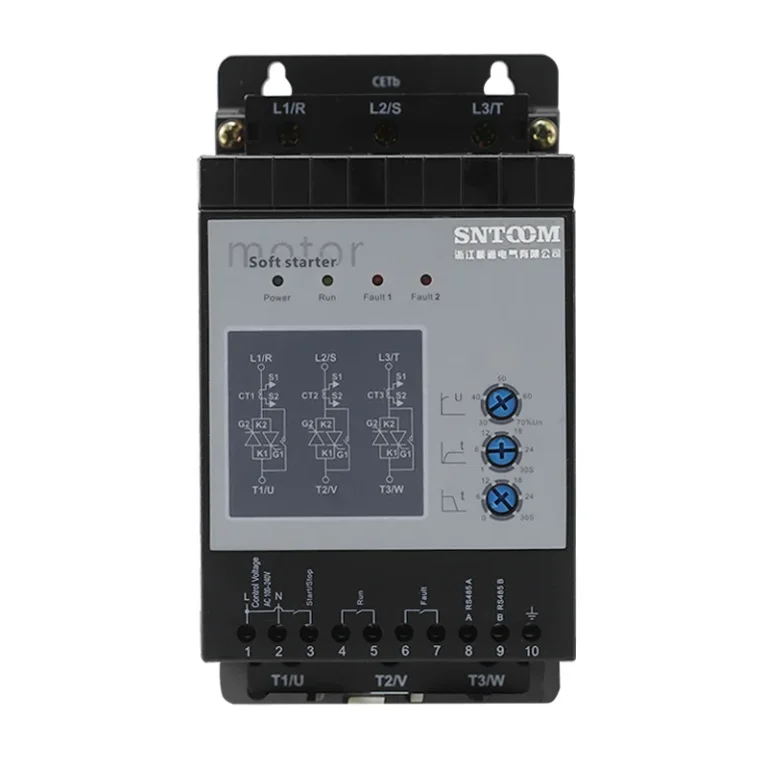
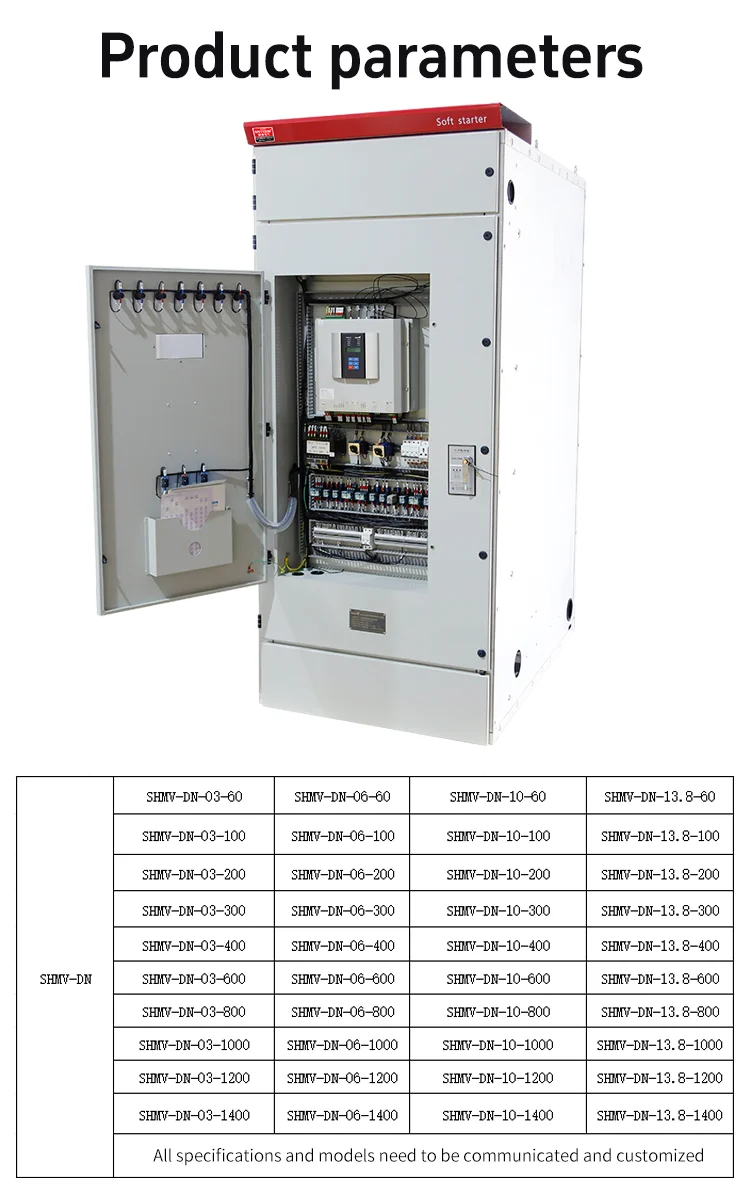
The SHMV-DN high voltage soft starter cabinet offers flexible configurations to match specific operational needs. It supports voltage ratings of 3kV, 6kV, 10kV, and 13.8kV, with current ratings spanning from 60A to 1400A to accommodate motors of varying power levels. It features six adjustable start modes, allowing customization of start-up time, initial voltage, and current limit based on load characteristics. It includes built-in 485 communication capability for remote monitoring and integration with plant control systems. Customization is available to meet special project requirements.
Dimensions and Structure
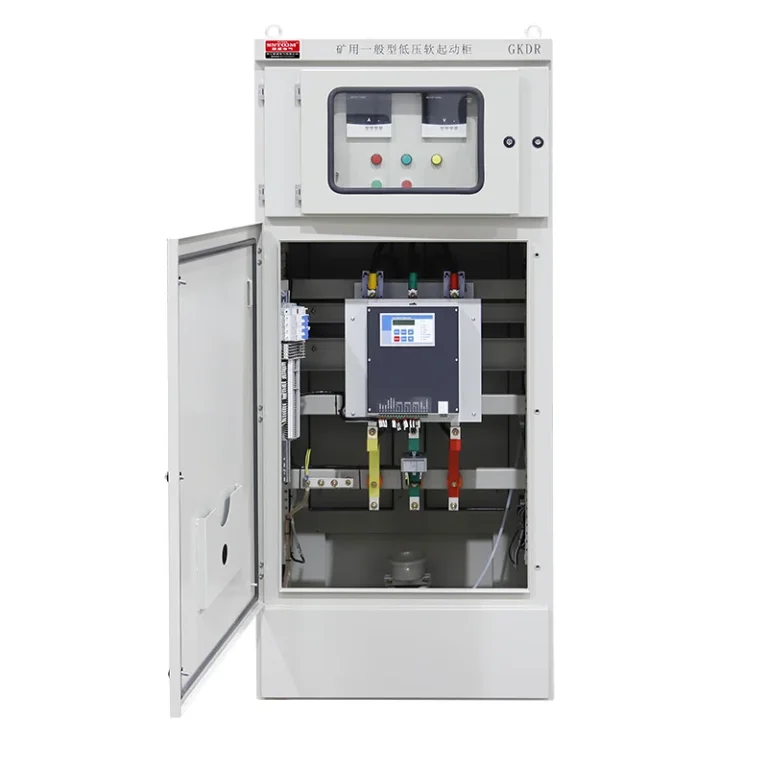
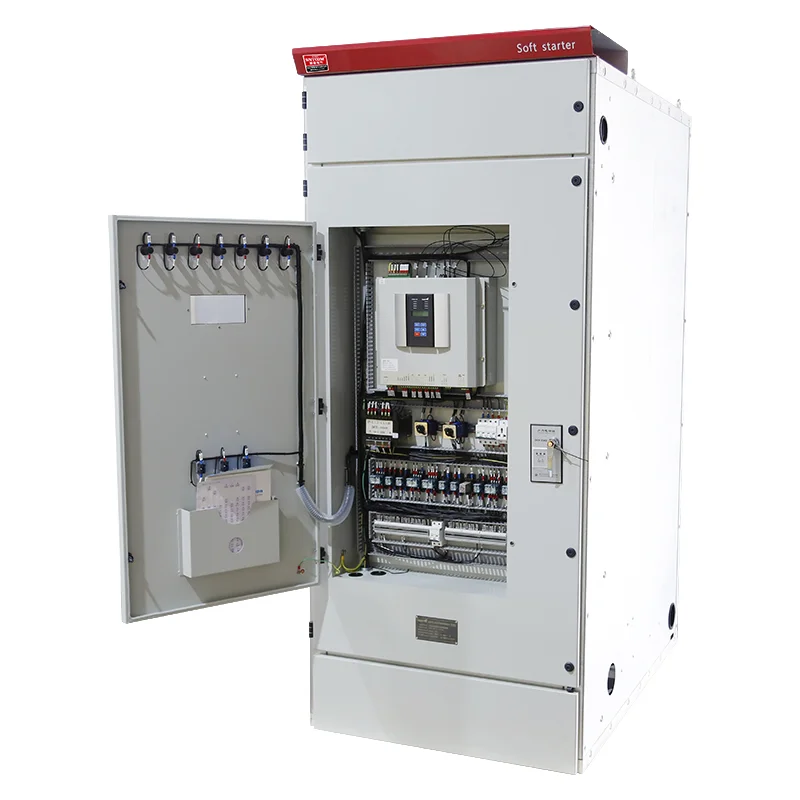
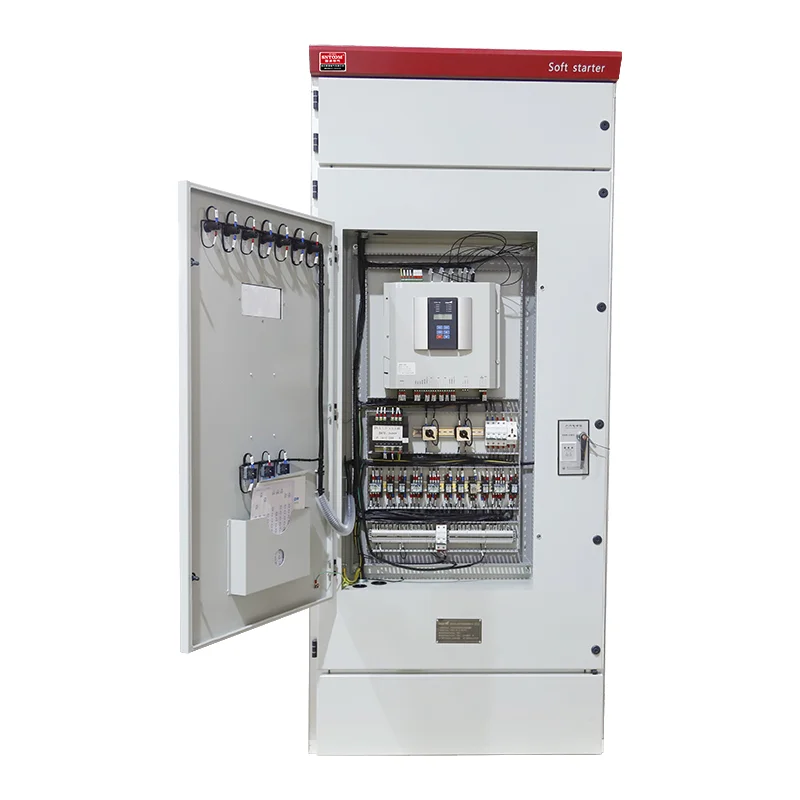
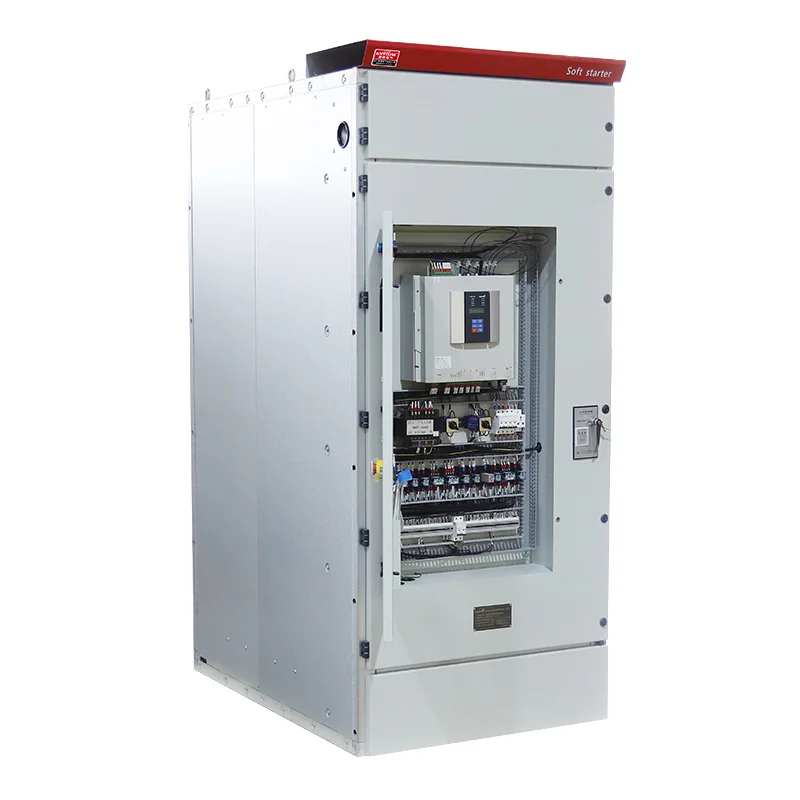
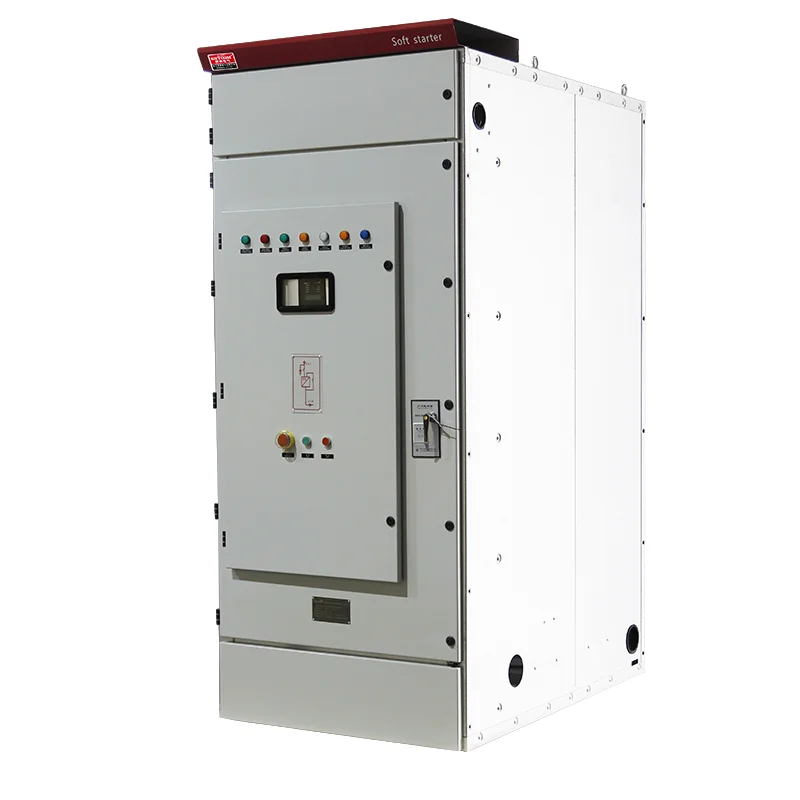
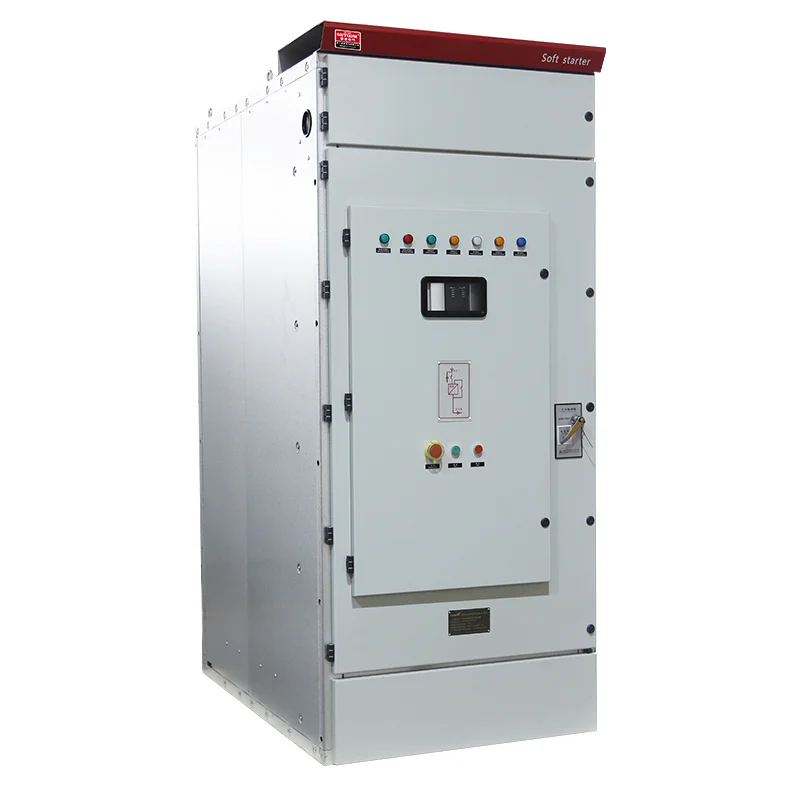
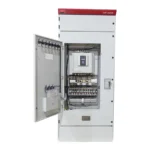
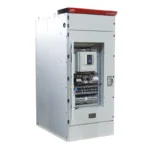
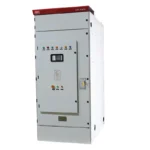
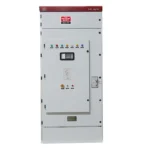
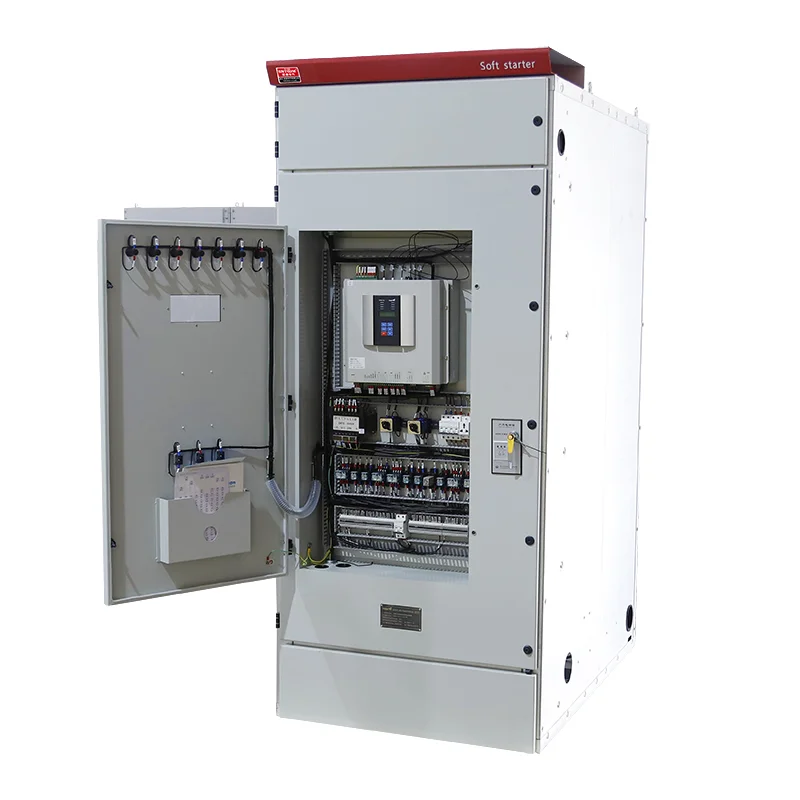
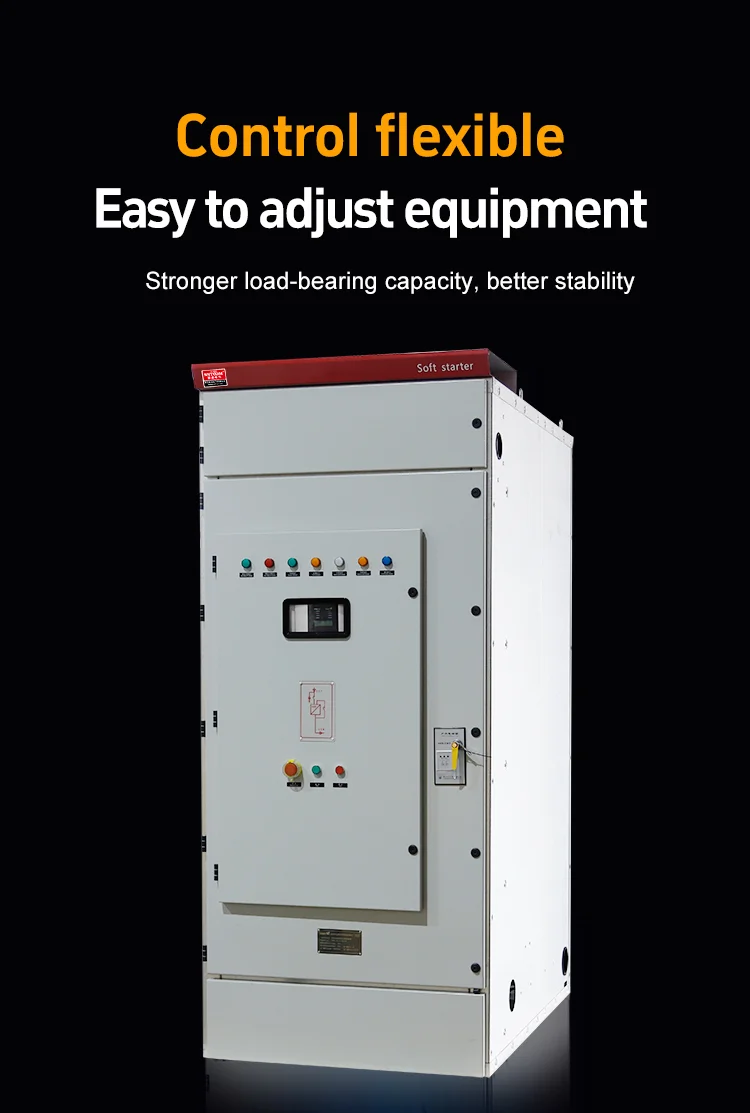
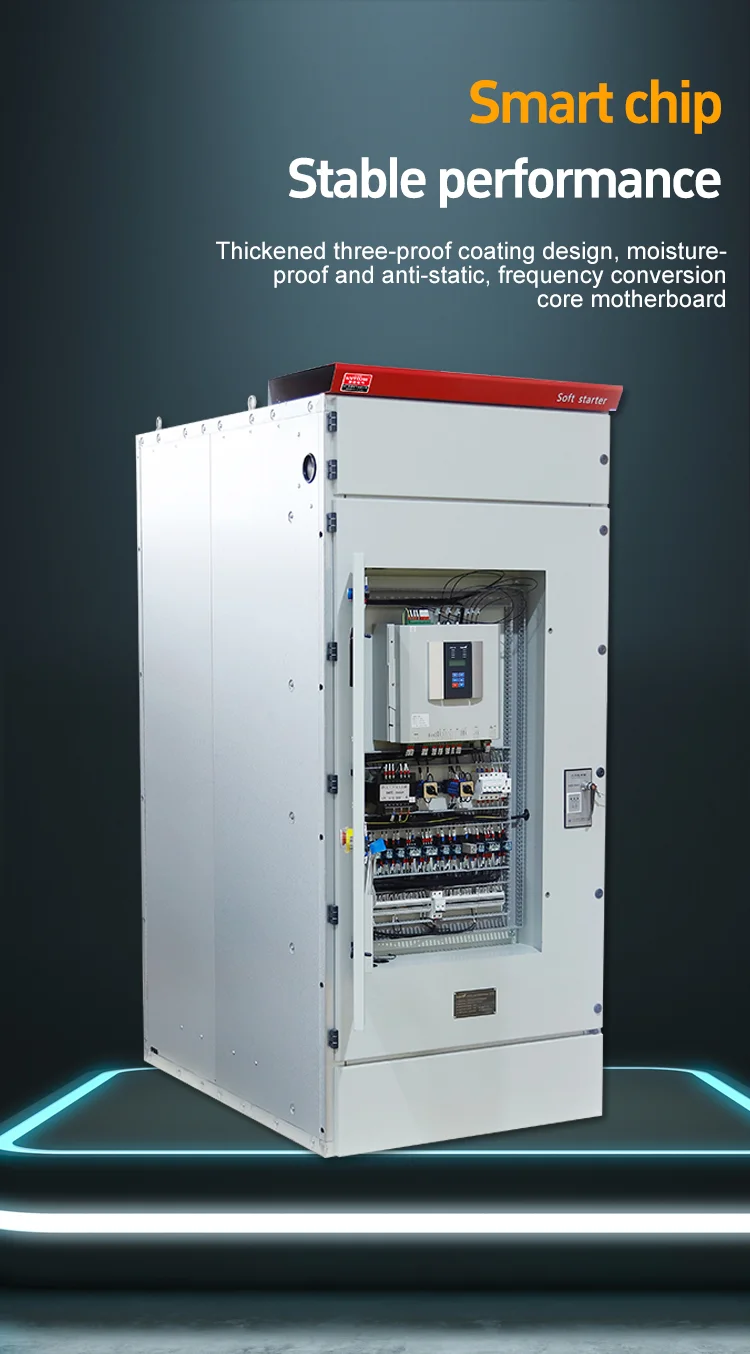
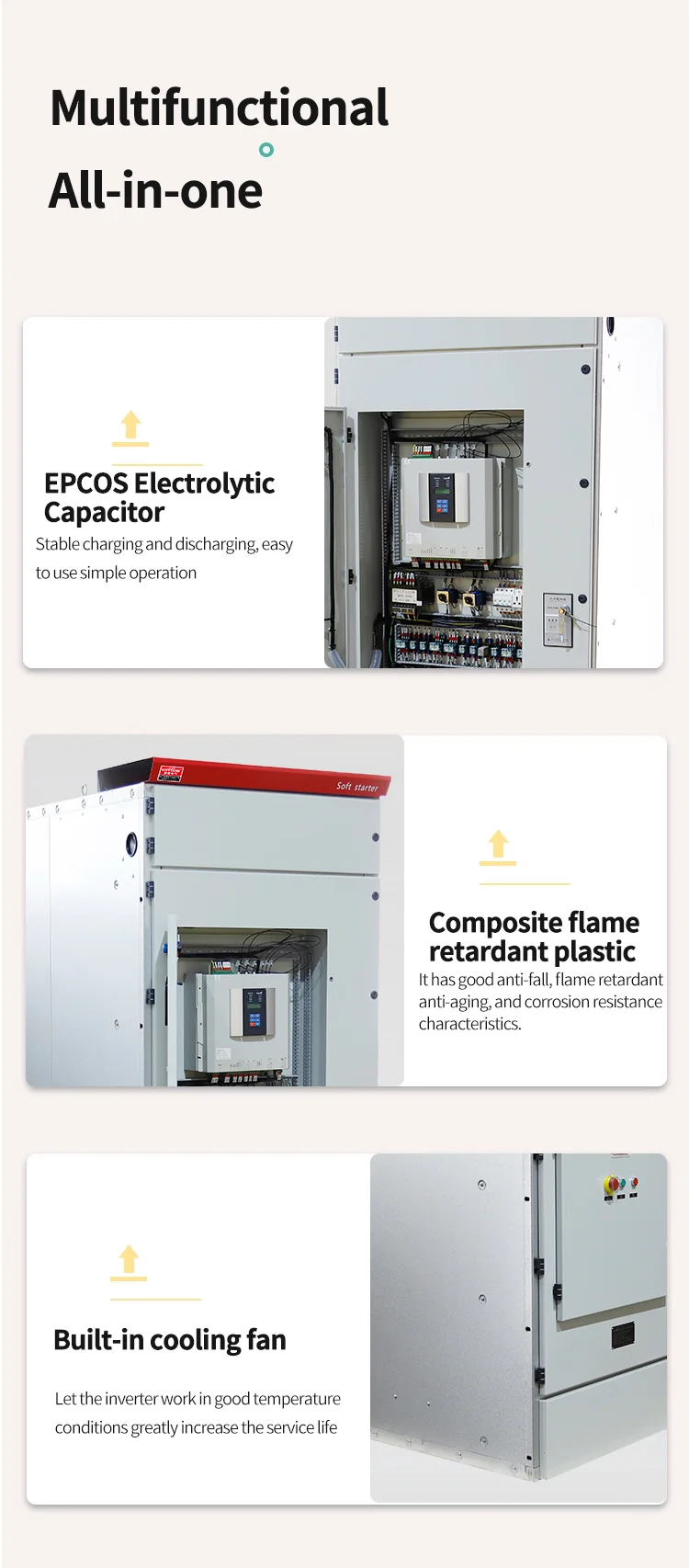
The high voltage soft starter cabinet features a robust, modular design built with thick steel plates for enhanced durability and safety. The standard enclosure is finished with anti-corrosion and anti-static coating to resist moisture, dust, and chemical exposure. It includes front access panels for easy maintenance, with clearly labeled terminals and components to simplify troubleshooting. It is equipped with an integrated cooling system to maintain optimal operating temperatures for internal electronics. Custom dimensions are available to fit specific installation spaces.
Key Features
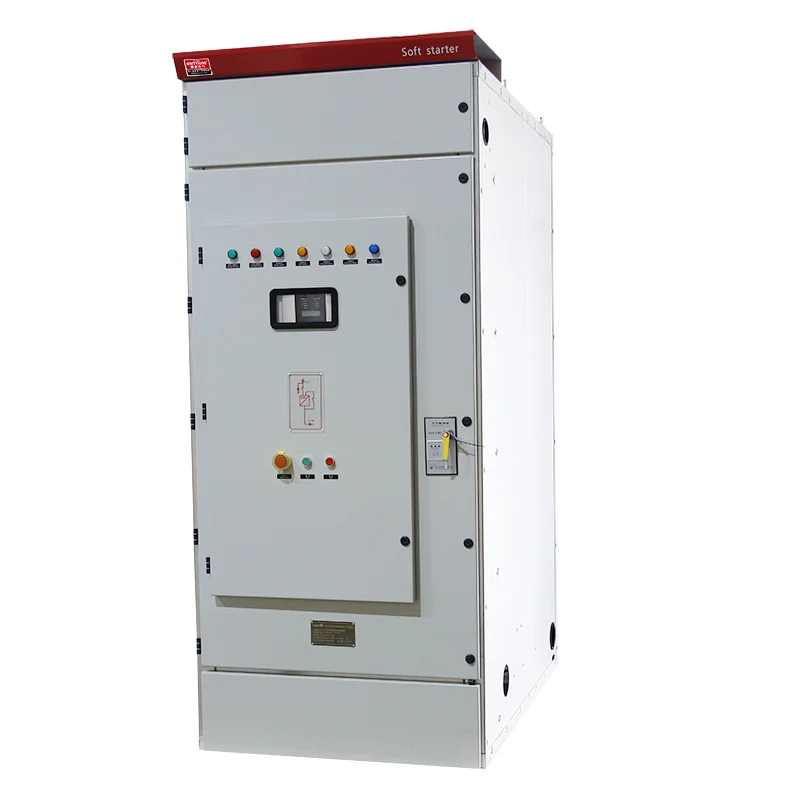
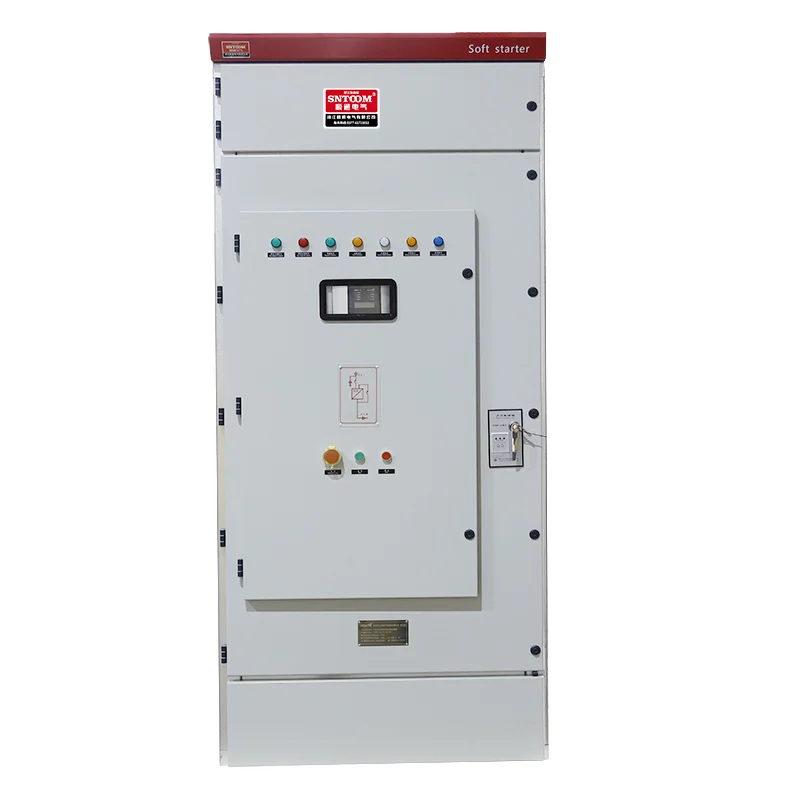
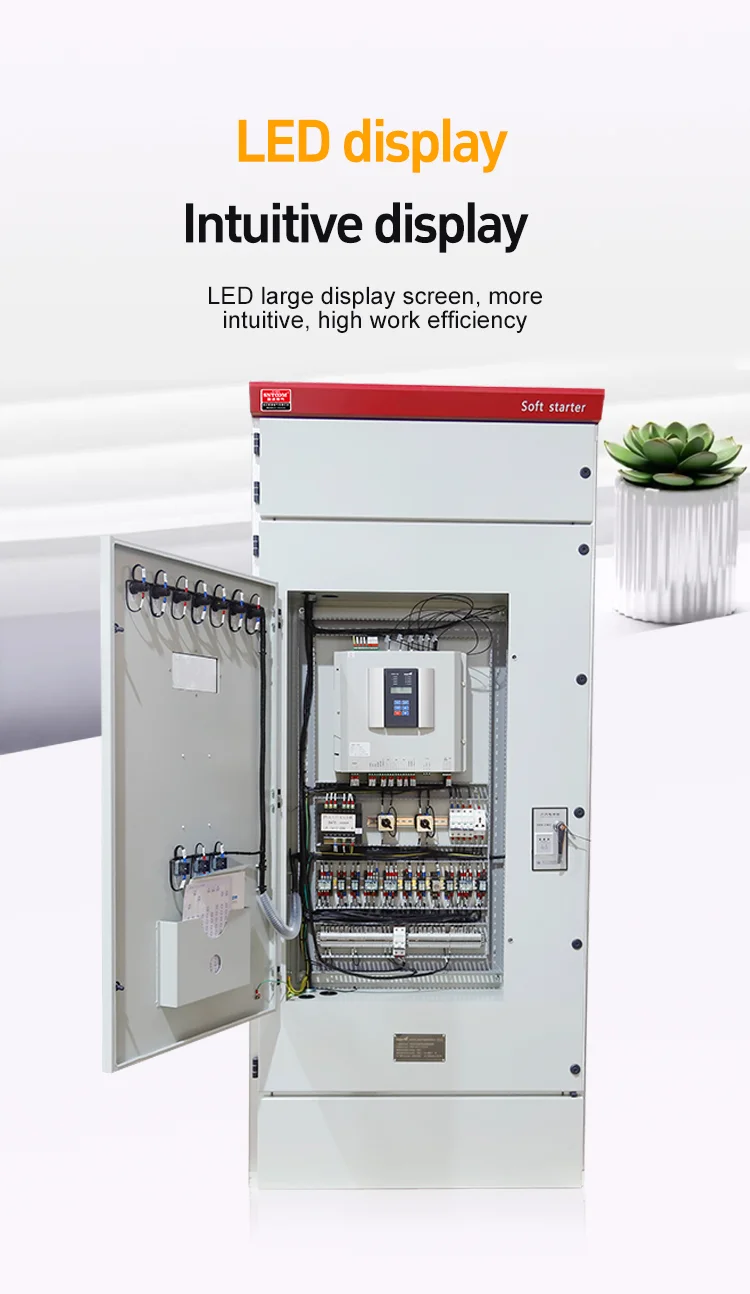
This high voltage soft starter cabinet combines advanced technology with practical design to deliver superior performance. It includes a large LED display that provides real-time monitoring of start-up status, current, voltage, and fault codes for quick diagnostics. It offers multiple protection functions, including overcurrent, overvoltage, undervoltage, phase loss, and overheat protection, to safeguard both the motor and the system. It features a smart control chip for stable and responsive operation, even under fluctuating load conditions. It also supports stepless speed regulation and energy-saving operation for long-term efficiency.
Installation and Operation Guide
Proper installation and operation of the high voltage soft starter cabinet are essential for optimal performance and safety. Before installation, ensure the power supply matches the rated voltage, and confirm the motor specifications align with the cabinet’s capacity. Mount the cabinet in a well-ventilated, dry location with adequate space for heat dissipation and maintenance. Connect the power cables and control wires according to the provided wiring diagram, ensuring all connections are secure and insulated.
After installation, perform a test run with no load to verify functions correctly, checking for abnormal noise, overheating, or error codes. Adjust the start-up parameters as needed based on the load type and operational requirements. Regular maintenance includes cleaning the cooling fans, checking cable connections, and inspecting internal components for wear or damage. Follow the user manual for detailed troubleshooting steps if operational issues arise.
Related Products