Understanding the differences between Sound and light alarm and motor alarm is crucial for selecting the right system to ensure safety and efficiency. Below we explain the functions and features of these two devices.
What is Sound and Light Alarm?
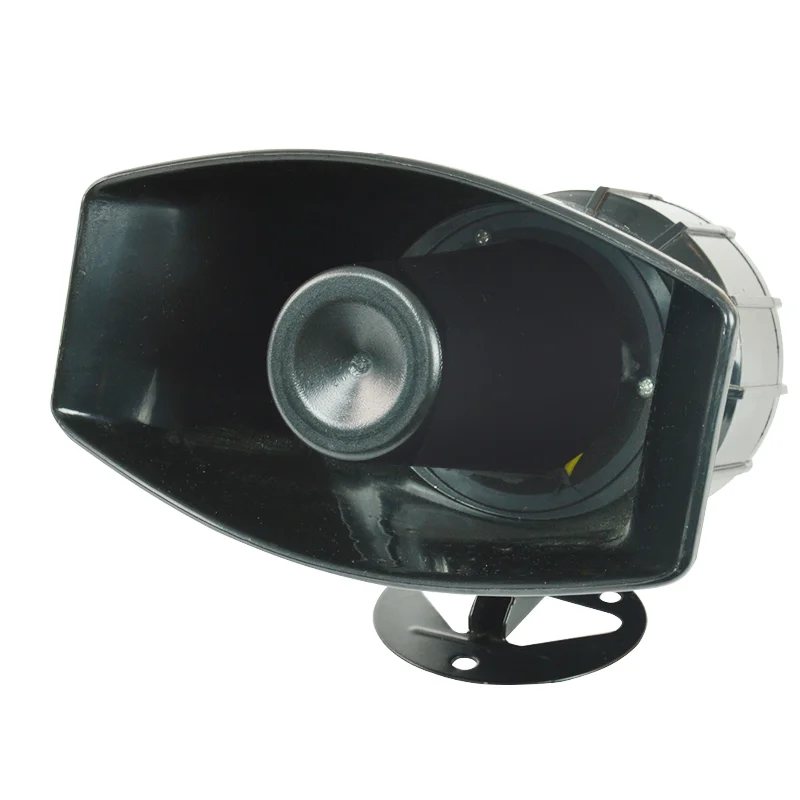
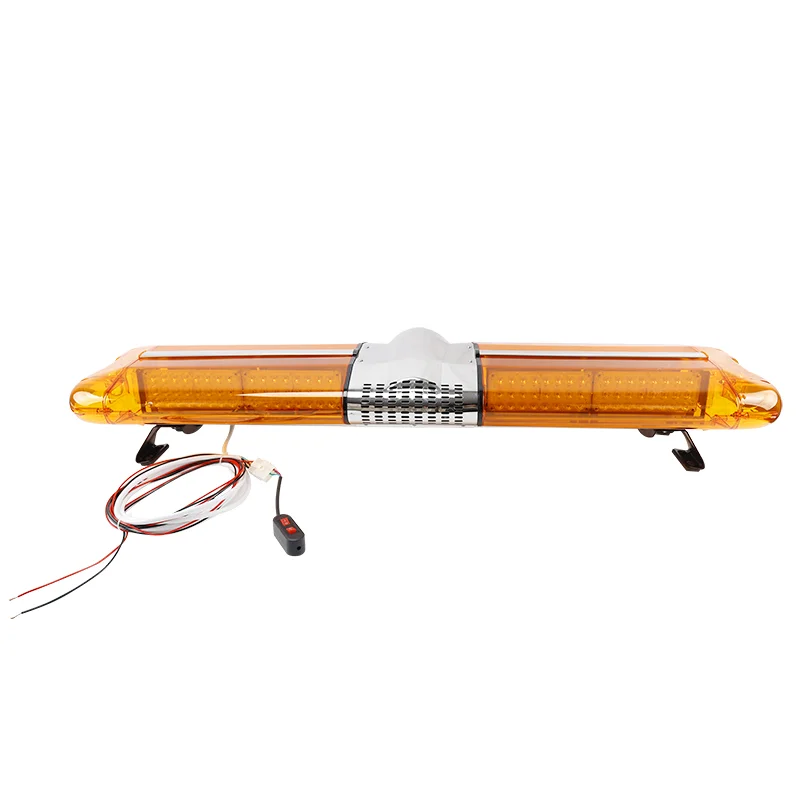
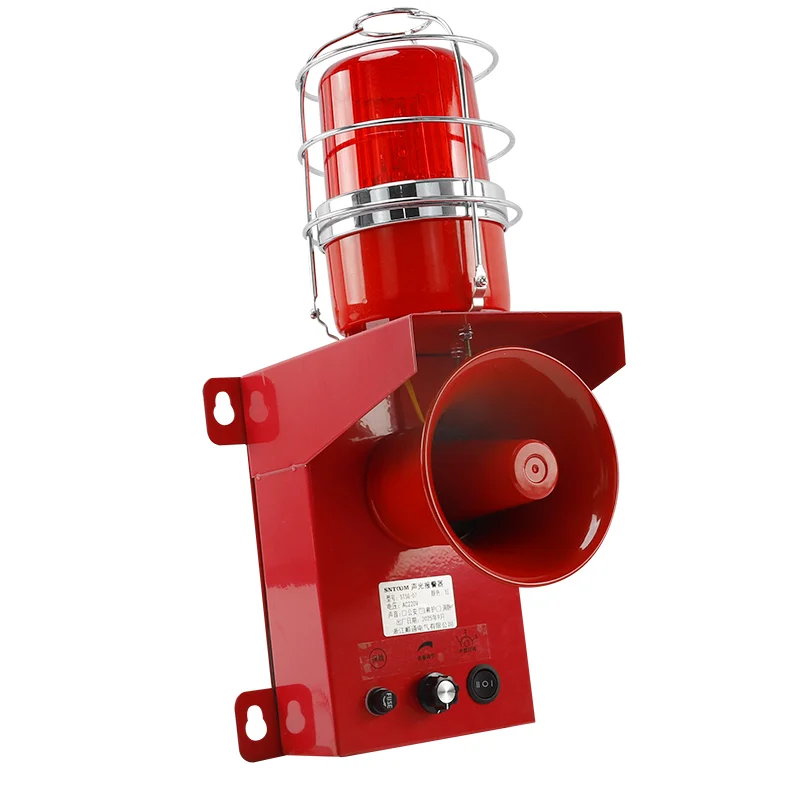
A Sound and Light Alarm is a dual-sensory alert system that combines auditory and visual signals to warn individuals of potential danger. These alarms are designed to grab attention quickly, making them indispensable in environments where immediate action is critical. The auditory component typically consists of high-decibel sounds, such as sirens or buzzers, while the visual aspect includes flashing lights or strobes. Together, these elements ensure that the alarm is hard to miss, even in chaotic or noisy settings.
For example, fire alarms in commercial buildings often use this technology to alert occupants of emergencies. The combination of sound and light ensures inclusivity, as it can notify individuals with hearing or visual impairments. Modern systems, like the Tuya ZigBee Siren, further enhance functionality by integrating with smart home ecosystems. These systems can send mobile notifications or activate automatically based on motion sensors, offering a seamless safety solution.
What is Motor Alarm?
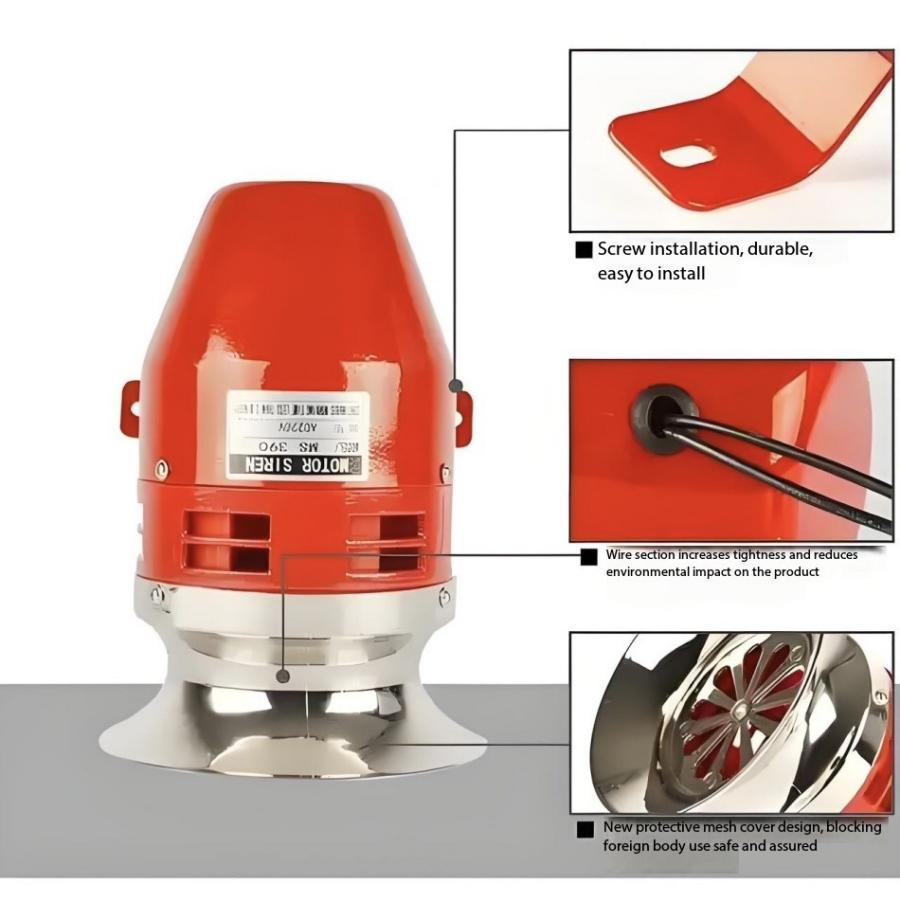
A Motor Alarm is a specialized alert system designed to monitor the operational health of motorized equipment. Unlike sound and light alarms, it focuses on human safety; while motor alarms are mainly used to protect mechanical equipment.These alarms detect anomalies such as overheating, overloading, or mechanical failures and notify operators before significant damage occurs.
For instance, in industrial environments, motor alarms might monitor a conveyor belt motor’s temperature. If the motor exceeds its safe operating range, the alarm triggers an alert and may even shut the system down automatically to prevent further damage. This proactive approach not only minimizes downtime but also reduces repair costs.
Motor alarms are especially critical in industries like manufacturing, where equipment operates continuously under high stress. Advanced systems can integrate with Industrial IoT (IIoT) platforms to provide real-time monitoring and predictive maintenance capabilities.
How it works
Sound and Light Alarm
The working principle of a sound and light alarm is relatively straightforward but highly effective:
Trigger Signal: The alarm receives a signal from a control system, such as a fire detection panel or motion sensor.
Auditory Alert: A high-decibel siren or buzzer emits an audible warning that can be heard across large areas.
Visual Alert: Simultaneously, flashing lights or strobes provide a visual cue for those who may not hear the sound.
Take fire safety as an example: when smoke detectors identify a potential fire, they send a signal to activate the sound and light alarm. The loud siren prompts immediate evacuation, while the flashing lights ensure visibility in smoky conditions.
Motor Alarm
Motor alarms operate by continuously monitoring key parameters such as temperature, voltage, or pressure:
Data Monitoring: Sensors track real-time data from the motor’s operation.
Threshold Breach: If any parameter exceeds its predefined safe limit (e.g., overheating), the system triggers an alert.
Action Mechanism: Depending on the setup, the alarm may notify operators through sound or vibration—or even shut down the motor automatically.
For example, consider a factory using motor alarms for its assembly line equipment. If one motor begins overheating due to excessive load, the alarm activates immediately, preventing costly breakdowns or production delays.
Advantages and disadvantages
Feature
Sound and Light Alarm
Motor Alarm
Advantages
– Multi-sensory alerts (sound + light)
– Ideal for industrial environments
– Effective in public spaces
– Prevents machinery damage
– Easy integration with smart systems
– Can trigger automatic shutdowns
Disadvantages
– Less effective in noisy or brightly lit areas
– Limited to specific use cases
– Risk of false alarms
– Requires specialized installation
Sound and light alarms shine when used in public spaces like shopping malls or offices where human attention is paramount. However, their effectiveness diminishes in environments with high ambient noise or bright lighting. On the other hand, motor alarms excel in industrial settings but lack versatility for broader applications.
The main difference between these two alarms is their purpose:
Human Safety vs Machinery Protection: Sound and light alarms prioritize human safety by providing immediate sensory alerts during emergencies. Motor alarms focus on protecting equipment by identifying operational issues early.
Alert Mechanism: Sound and light alarms rely on sensory stimuli like loud noises and bright lights to capture attention quickly. In contrast, motor alarms use mechanical signals such as vibrations or system notifications tailored for industrial needs.
Think of it this way: if you’re managing a shopping mall’s security system, you’d choose sound and light alarms to ensure everyone evacuates safely during emergencies. But if you’re running a factory with expensive machinery, motor alarms are your go-to solution for maintaining operational efficiency.
How to choose the right alarm system
Selecting the right alarm system boils down to your specific requirements:
Environment Matters: Public spaces like offices benefit from sound and light alarms since they cater to large groups of people effectively. Conversely, industrial settings demand motor alarms due to their ability to monitor machinery under extreme conditions.
Functionality Needs: If you need multi-sensory alerts for human evacuation scenarios (e.g., fire drills), opt for sound and light alarms. If your priority is safeguarding equipment through early fault detection, motor alarms are better suited.
For instance:
A shopping mall might install sound and light alarms at every exit to ensure quick evacuation during emergencies.
A manufacturing plant could deploy motor alarms across its assembly lines to minimize downtime caused by equipment failures.
Which alarm you choose depends on your needs, giving priority to personal safety in public places and protection of industrial machinery.
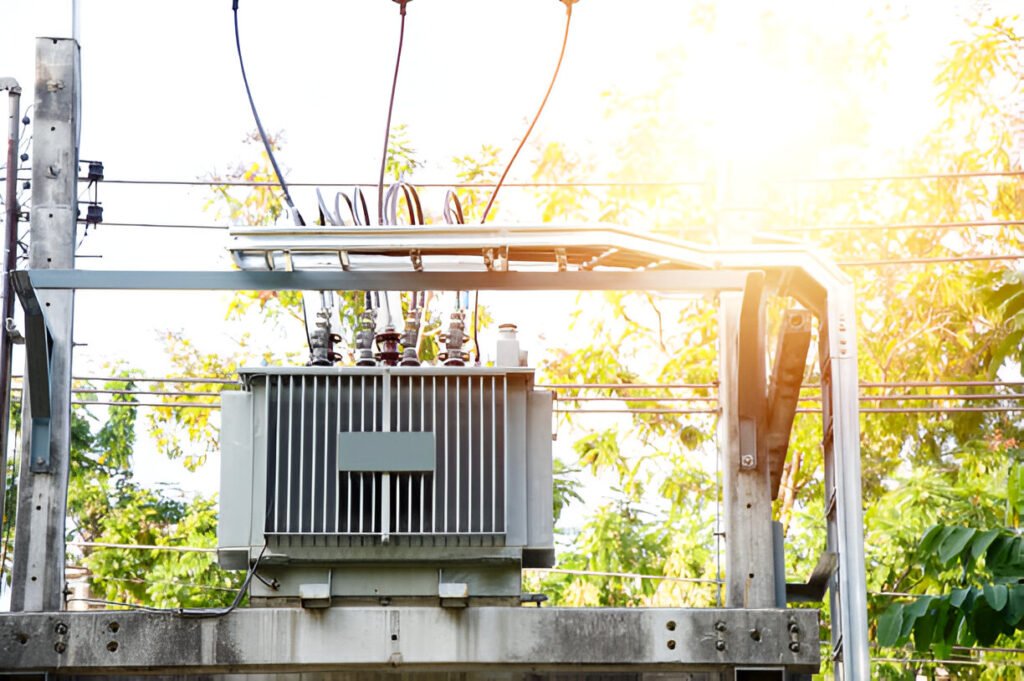
What is oil immersed transformer? An oil immersed transformer, also known as an oil filled transformer, is a type of electrical transformer that uses oil as both a cooling and insulating medium. The transformer’s core and windings are submerged in a sealed tank filled with insulating oil, which serves two critical purposes: dissipating heat generated […]
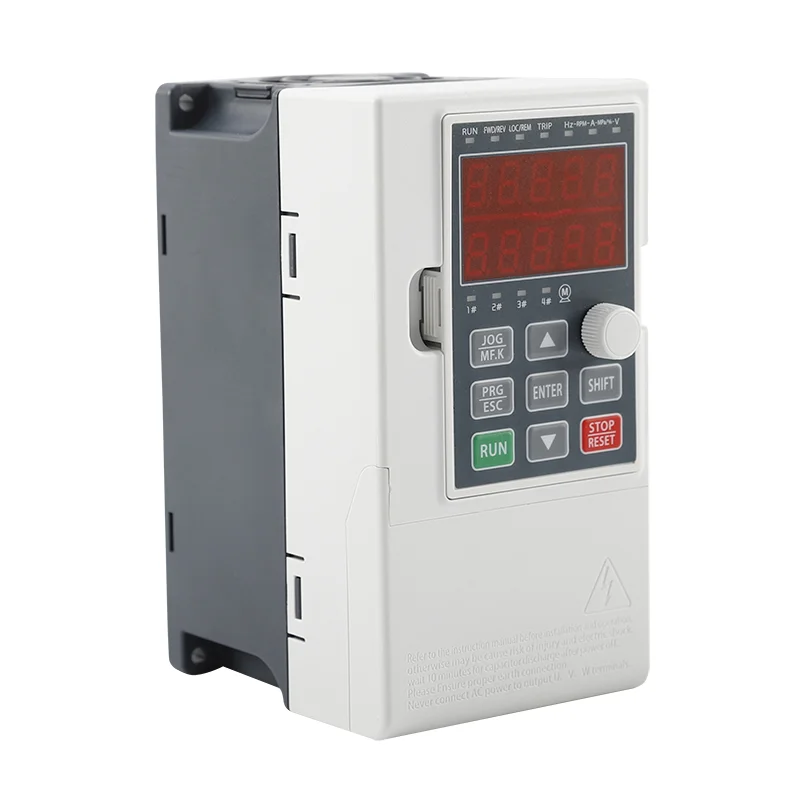
1.1.1 Overview Frequency converters have unique advantages: Precisely because of the above two outstanding advantages, frequency converters are developing at an annual growth rate of 20%. Currently, the penetration rate abroad is as high as 80% to 85%, while in China, it has reached 25% to 30%. They serve as an effective means to achieve energy conservation, reduced consumption, low-carbon […]
We use cookies to enhance your browsing experience, serve personalised ads or content, and analyse our traffic. By clicking "Accept All", you consent to our use of cookies.