Blog

Blog Transformer Altitude Derating: Why Thin Air Reduces Capacity

Transformer Altitude Derating: Why Thin Air Reduces Capacity

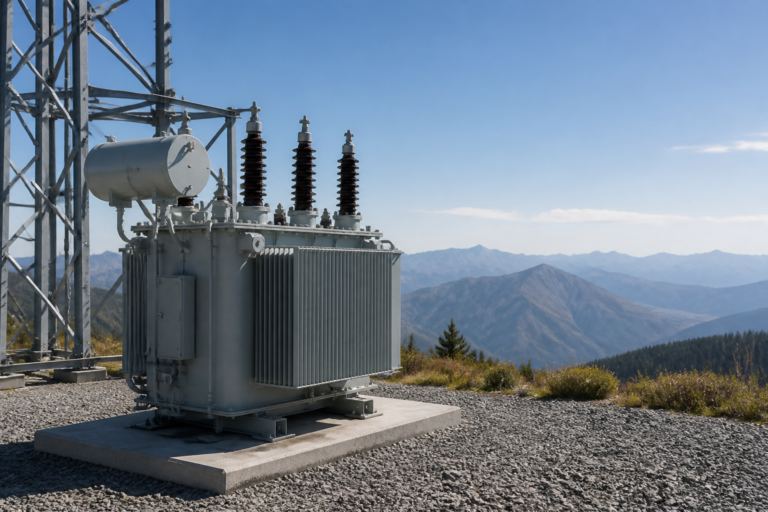
A unit ordered for a coastal plant and the same unit installed at 2,500 m are not the same machine in service, even when the nameplate reads identically. Air density falls with height, and thinner air does two jobs less well: it carries heat away from the windings, and it insulates. This article explains what physically changes at height - cooling capacity and dielectric strength - how the altitude correction factor is applied, either by reducing the permissible temperature rise or by raising the insulation requirement, and what should be confirmed on the enquiry: the real site elevation, the reference conditions behind the quoted rating, whether the kVA figure is the sea-level or the corrected value, and the ventilation design at the corrected load.
Blog Transformer Selection: Seven Parameters Industrial Buyers Often Overlook

Transformer Selection: Seven Parameters Industrial Buyers Often Overlook

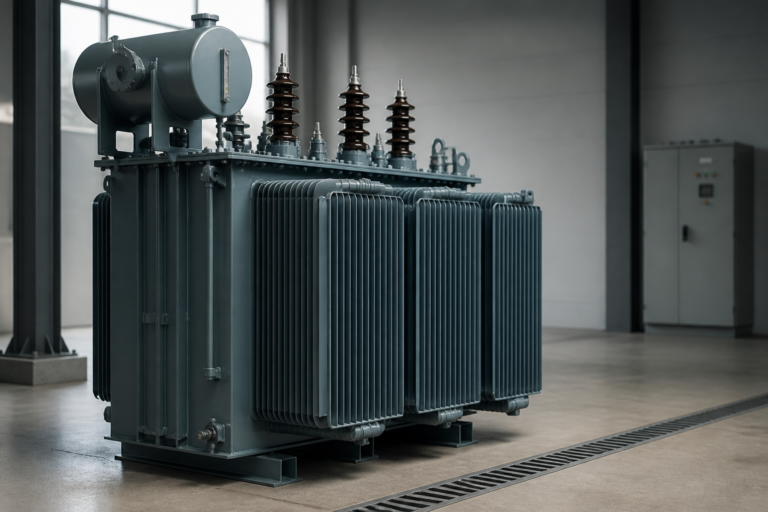
Transformer selection is usually treated as a single question: what kVA rating do I need? The parameters that cause the most expensive mistakes rarely appear on a quotation. This article explains how ambient temperature and site altitude change the rating a transformer can actually deliver, how the load profile of the plant - continuous versus cyclic duty, future load growth, harmonic content and the cost of oversizing - decides where to sit below the kVA ceiling, and which electrical checks should be completed before the order is placed: vector group, impedance voltage, tap range, insulation class and the written confirmation of derating. Getting these right at the enquiry stage costs one line; correcting them afterwards costs a transformer.
Blog Commissioning and Testing of Soft Starters

Commissioning and Testing of Soft Starters

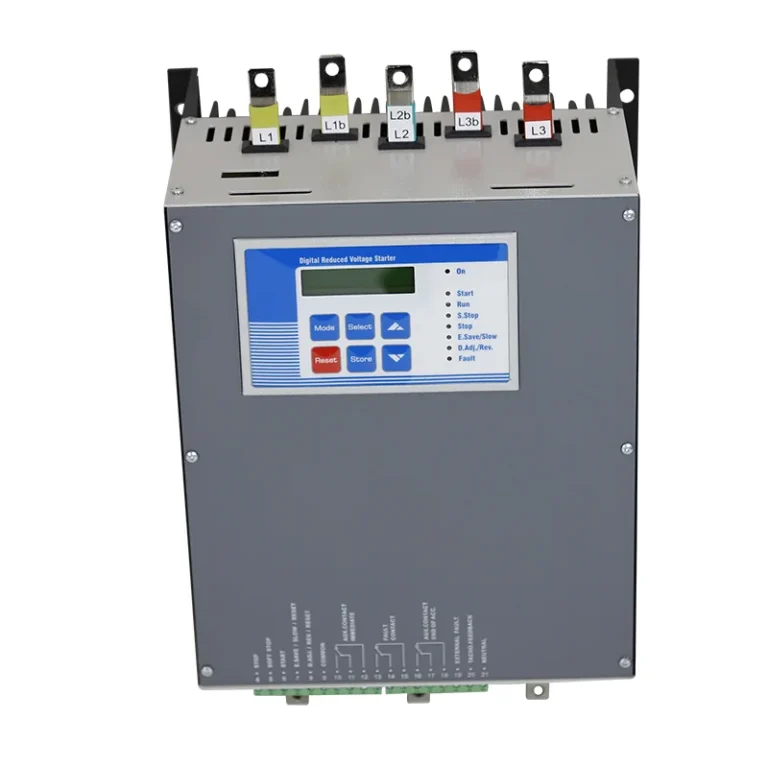
Prior to commissioning, one should first understand the production process. It is necessary to grasp the design principles, performance parameters, and target specifications of the electrical drive control system. Additionally, one must be familiar with the characteristics of all components and control units within the system, as well as the performance and operating methods of […]
Blog Inverter Fault Indication and Troubleshooting

Inverter Fault Indication and Troubleshooting

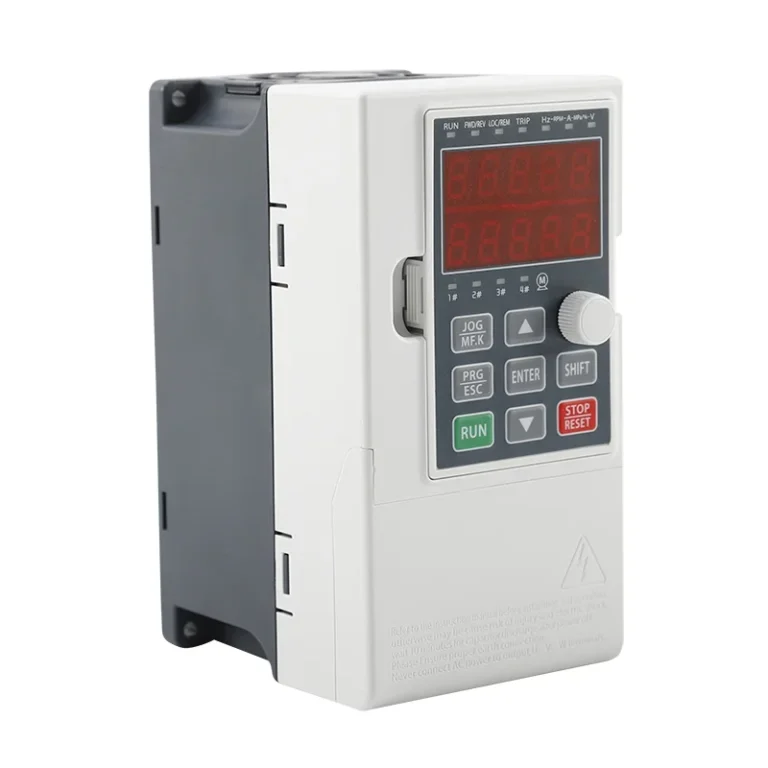
The fault display function of a frequency converter is triggered when an internal or external abnormality occurs during its operation. The converter will then shut down for protection and display the cause of the fault on its screen simultaneously. This function provides valuable assistance during the commissioning of the frequency converter. During commissioning, improper parameter […]
Blog Commissioning Conditions for Inverter Systems

Commissioning Conditions for Inverter Systems

System Commissioning Requirements  1:Commissioning Conditions The technical documentation, files, and construction drawings regarding the variable frequency drive (VFD) system have been received. The peripheral electrical installation of the inverter has been completed and accepted as qualified. The installation quality meets the design specifications, the manufacturer’s technical documents, and construction acceptance standards. All related tests conducted […]
Blog Interesting Facts about Inverters

Interesting Facts about Inverters

1.1.1 Overview Frequency converters have unique advantages: Precisely because of the above two outstanding advantages, frequency converters are developing at an annual growth rate of 20%. Currently, the penetration rate abroad is as high as 80% to 85%, while in China, it has reached 25% to 30%. They serve as an effective means to achieve energy conservation, reduced consumption, low-carbon […]
+86-15657768868 elena@sntoom.com